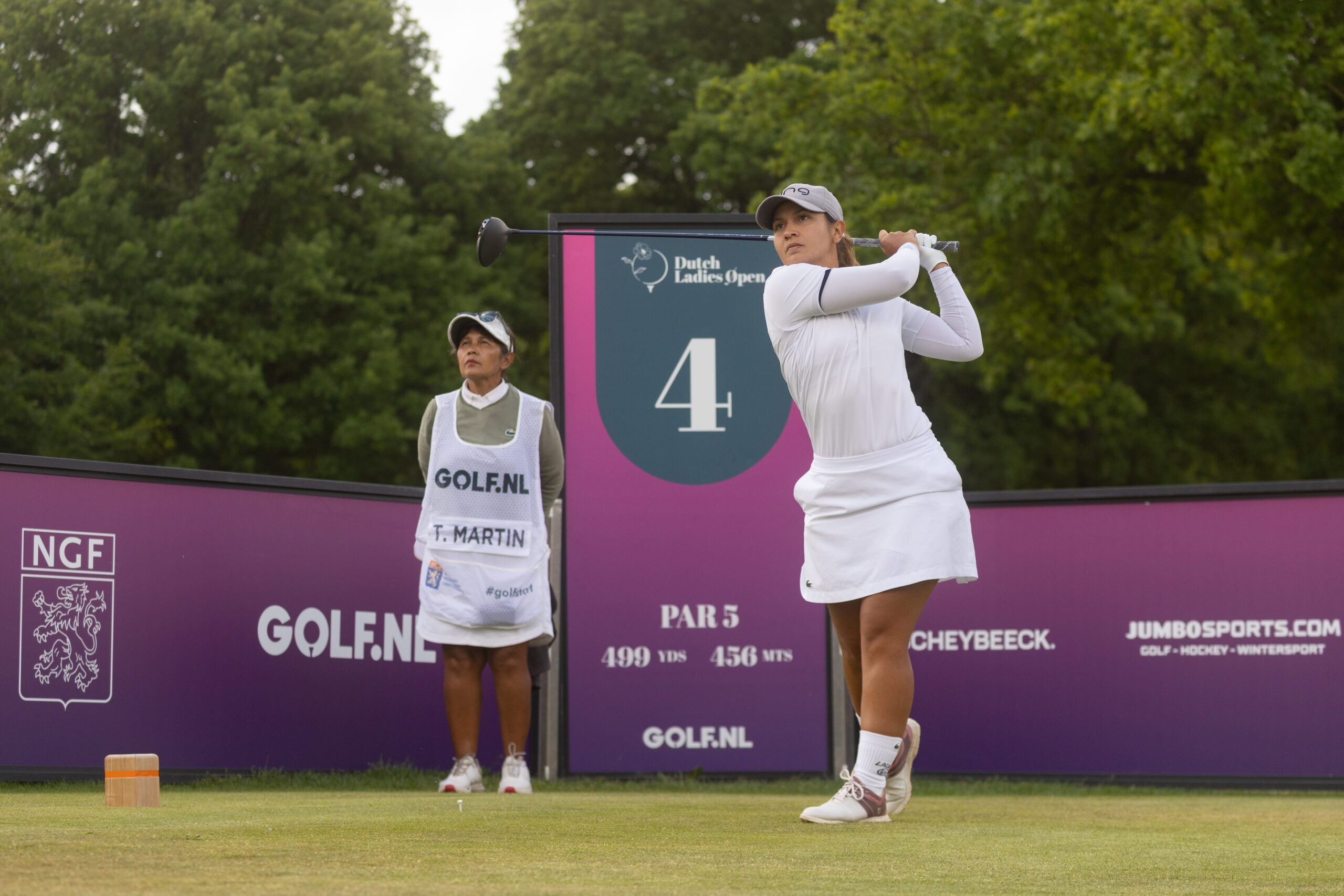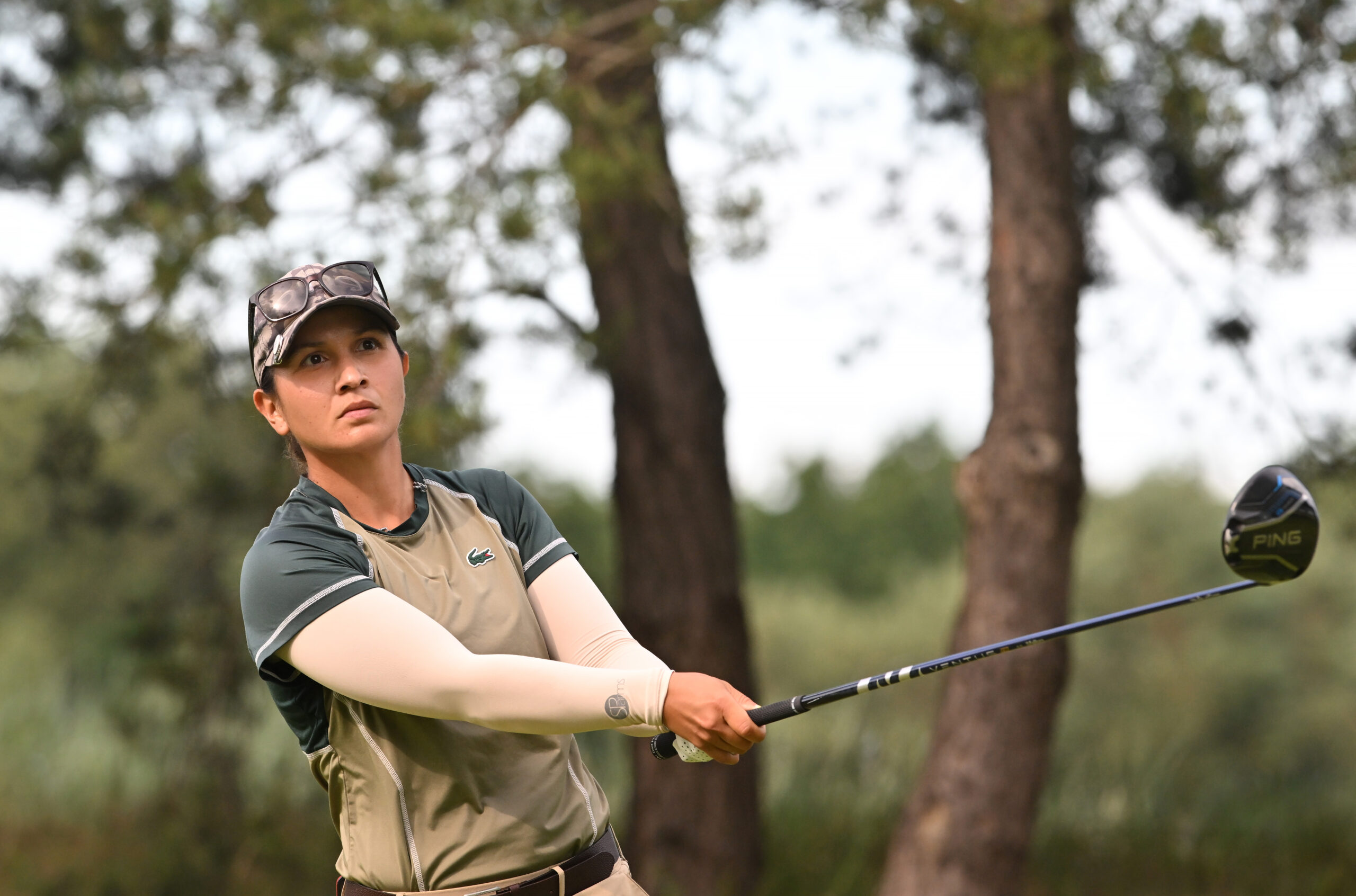
When watching golf on TV, you see a golfer walk onto the first tee, take a few practice swings and hit a 200-yard shot down the fairway.
But by the time Thalia Martin reaches that first tee, the preparation has already been going on for days.
It’s not just simply turning up at the golf course on the Thursday morning and teeing off.
There’s so much that goes into preparing for a competitive golf tournament – the physical, mental and organisational.
As Thalia described, it was just ‘24-7’ golf in her life, but that’s also the reason why she went from amateur tournaments and turned into a professional.
And that all started in her university days, when her obsession with golf quickly became centred around improving.
“It was just 24-7 golf, in my opinion, for those three years,” she told us. “In classes, it was about golf. Outside of classes, it’s still about golf. We had all the facilities at my doorstep as well.
“You then choose whether or not you train or how much you do; we had the gym as well there, so it was all down to you. But I have an obsessive character. When I really want to do something, I’ll do it to 100%. So you saw me 24-7.”
So, what does a usual training day look like for Thalia?
“So I actually have a routine of, in the morning, I would do gym and then have breakfast and make lunch.
“Then go out to the golf course and do my training from the range, short game and putting – then do nine or six holes, depending on how I feel. I would try to stop my day around four to five, so I have the rest of the evening to chill out at home and forget about golf.
“That’s really my routine in the off-season. I would try to go to the gym four times a week. I would always start with putting, short game, head to the range and then finish off with nine holes.”
However, as a tournament approaches, training quickly transitions from a physical focus to mental preparation.
It’s not about just hitting a few balls and then rocking up to the first tee, but for Thalia, she specifically spends the week learning the course she will be playing at, including the tee shots, reading the greens and how to play the par threes.
Then, she uses that research to help her in her training throughout the week, giving her the best form of preparation.
“I tailor my practice to what the course is going to be like,” she explained. “So I would have my course map with me and see, ‘ok, what sort of tee shots are we playing? What sort of numbers are most common? What’s the par threes playing like?’
“I think it’s just more the detail of it to be a lot more specific on my off weeks to get ready for that tournament specifically. When I was doing my putting sessions, I guess the amount that I do to read greens with all this equipment is quite a lot.
“It seems complicated, but I understand what’s going on in my head. But to an outsider’s point of view, it looks like I’m operating on someone with the amount of machines.”
That intensity becomes even harder to sustain when the season stretches across seven to eight months.
For Thalia, competing on the LET Access Series, that could mean around 20 official events across the world, potentially even more – making recovery just as important as preparation.
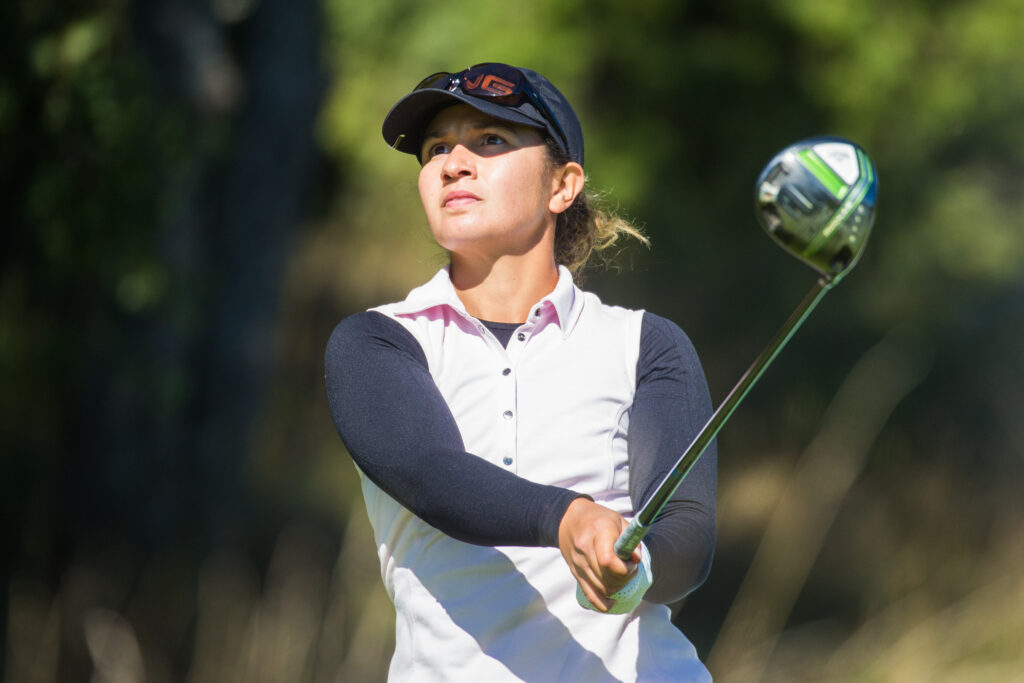
To ensure the best result in a tournament, which would ultimately earn Thalia more money for future events and equipment, switching off for a couple of days could also be crucial to maintain that level.
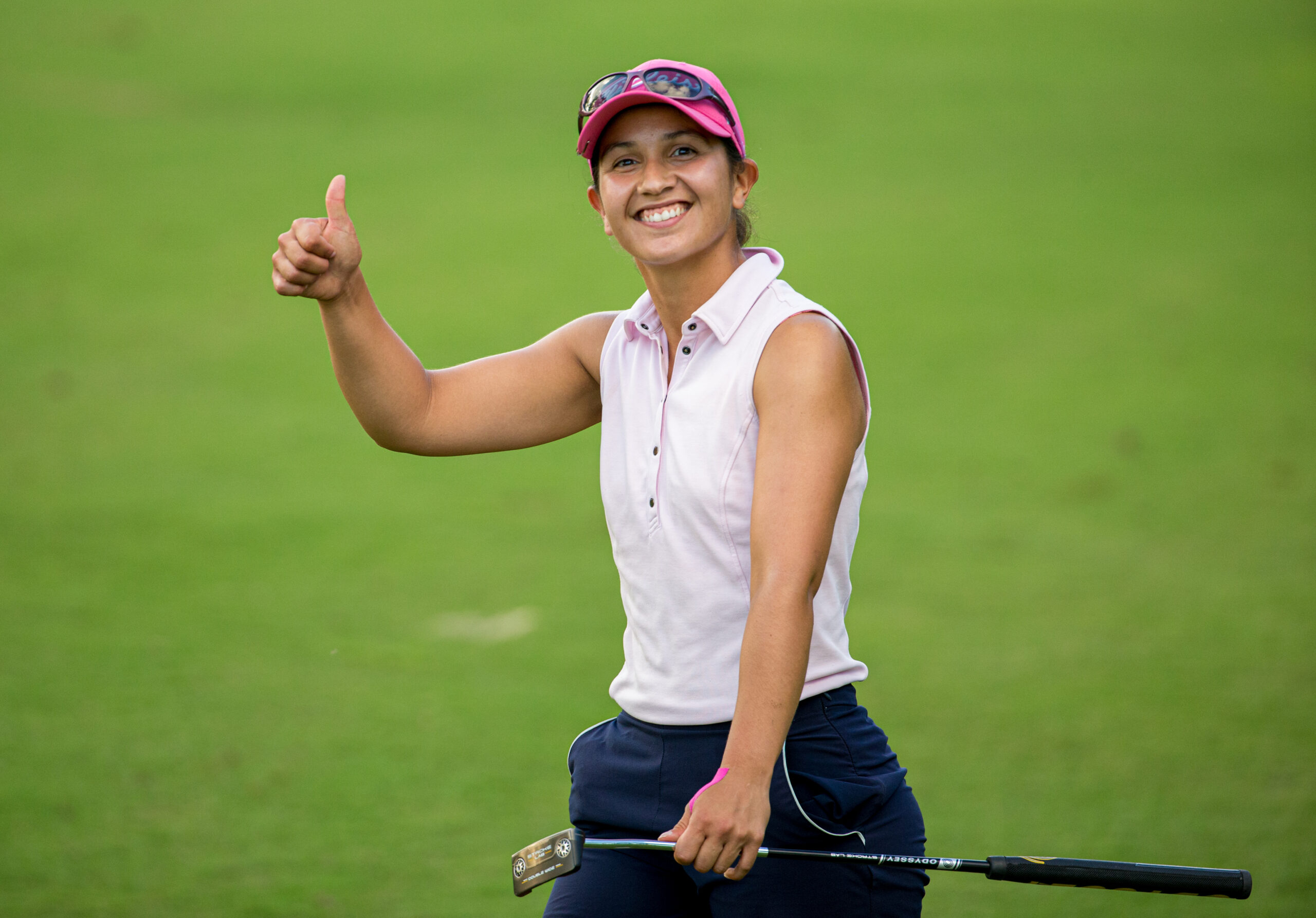
“I’m really well known for not taking breaks,” Thalia laughed when asked how she tries to switch off. “But I’m trying to get better at this, so that’s why this week, I could have played an event, but I decided to take two weeks off before a run of events coming up towards the end of the season.
“Because I’m not Superwoman. I am going to get burnt out at some point. One day, maybe two days off completely, maybe like active resting, while the five other days of that would be practising and playing.
“But I do part-time work as well as a customer service assistant. I just do that to get my mind off golf completely and also then see a different group of people that don’t know anything about golf, which is quite nice because it’s really shut off from that world.
“I try to have a balance, meet friends and do other stuff other than golf and outside golf friends because most of my friends are in that industry. So it’s nice to have friends that are outside of that industry too.”
So, you might see the scorecard after each round in a tournament, but it ultimately doesn’t record the amount of hours golfers would spend in the gym, on the putting green or the driving range, or even the decision to switch off and step away from the sport when the body needs it.
But this hardwork for Thalia is all leaning towards her future ambitions in the sport.
“I’m now thinking about the LPGA side because before I wasn’t sure if I would want to move out of Europe or Britain or anything,” she explained. “But I think it would be quite cool if I could say I’ve done the LPGA Tour.
“So, hopefully, we’ll see in five years, hopefully before five years, if I will be on the LPGA and be in appearances in a few majors as well, and who knows, in contention, but you’ve got to manifest that.”